
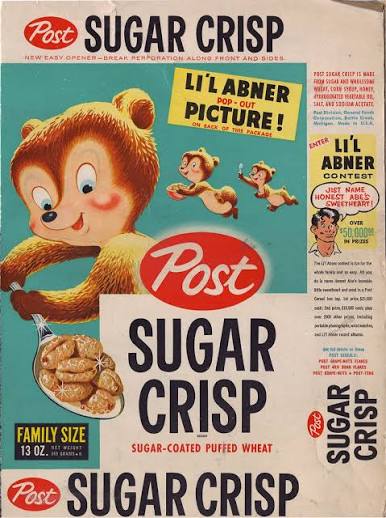
 Most cereal boxes end up in the recycling bin, but some have found a second life as valuable collectibles. From discontinued brands to limited-edition packaging featuring famous athletes and cartoon characters, certain boxes have become sought-after pieces of advertising and pop culture history.
While most cereal boxes have little resale value, certain examples can sell for hundreds or even thousands of dollars.
Knowing what collectors look for can help you determine whether yours is worth keeping or selling.
What Makes a Cereal Box Collectible?
Several factors influence how much someone might pay for your old cereal box:
- Age: Boxes from the 1950s, 1960s, and 1970s often attract collectors, particularly when few examples have survived.
- Condition: Boxes with bright colors, minimal fading, and no major tears or stains generally command higher prices.
- Rarity: Limited-edition packaging, promotional releases, and discontinued cereal brands can be especially desirable.
- Characters: Boxes featuring popular cartoon characters, athletes, or celebrities may appeal to multiple groups of collectors.
- Unopened packaging: Factory-sealed boxes can attract additional interest, although their condition and contents matter.
Which Cereal Boxes Are Worth Money?
Certain vintage boxes from brands such as Kellogg’s, General Mills, and Post can command impressive prices.
Boxes featuring early appearances of Tony the Tiger, vintage Wheaties athletes, or discontinued cereals may be particularly collectible. Promotional packaging tied to major movies, television shows, and sporting events can also attract buyers.
However, age alone doesn’t guarantee value. A common box from the 1960s might sell for less than a rare promotional box from the 1990s.
How to Find Out What Your Cereal Box Is Worth
Before putting a price on your cereal box, take a closer look at what makes it unique. Check the packaging for production dates, promotional offers, special characters, or design features that could help identify its edition.
Next, compare your box with completed sales on eBay rather than relying on asking prices. Look for examples in similar condition, and pay attention to differences in packaging. Collector forums and vintage advertising groups can also help you identify harder-to-find boxes and gauge buyer interest.
The bottom line: Your old cereal box could have collectible value if it’s rare, well-preserved, or connected to a popular cultural moment. Researching actual sales will give you a better idea of what buyers are willing to pay.