Vintage enamel advertising signs are highly collectible because they combine history, craftsmanship, and nostalgia in a way that few other items can. These signs were originally produced in the late 1800s through the mid-1900s as durable outdoor advertisements for gas stations, farms, general stores, and roadside businesses. Companies used porcelain enamel coated over steel so […]

Read more
Political buttons can fetch a pretty penny because they capture moments in history that people still care about decades later. These small campaign items were produced in huge numbers during elections, but only a fraction survived in good condition. Because they were meant to be worn, traded, or thrown away after a campaign ended, authentic […]

Read more

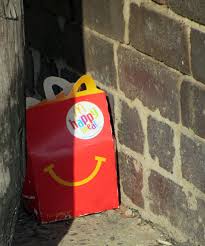
McDonald’s Happy Meal toys from the 1990s are more than nostalgic collectibles. Many now sell for surprising amounts of money. Collectors actively search for rare pieces and complete sets. If you grew up in the 90s, these toys may bring back memories and investment potential. Collectors determine value based on rarity, condition, and demand. Toys […]

Read more

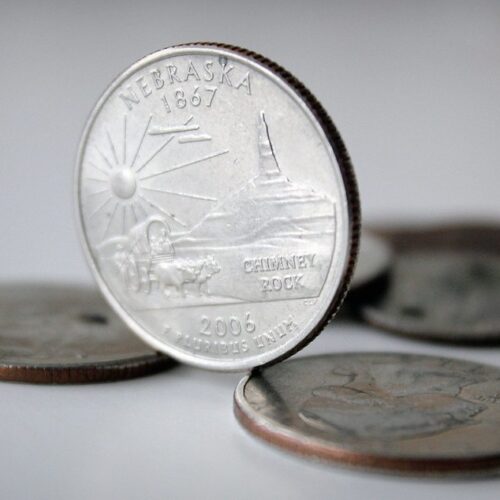
Most quarters are worth just 25 cents. However, a few rare U.S. quarters have sold for thousands of dollars. The difference comes down to mint errors, low production numbers, and historical significance. If you check your spare change carefully, you might find something valuable. Rare Quarters to Look For Some quarters stand out because of […]

Read more

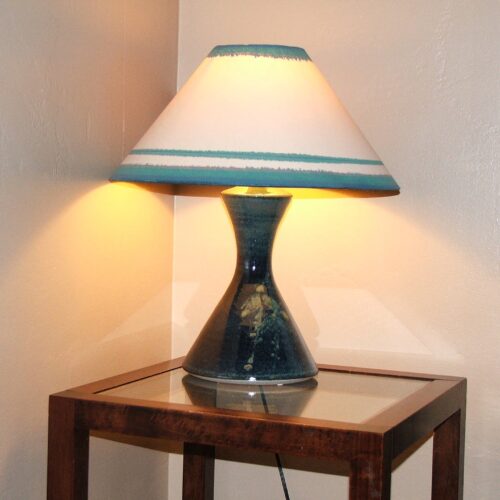
Mid-century lamp fixtures are one of the best “useful collectibles” you can own because the right piece works as functional lighting and a design asset. But if you want collector-grade value (not just cool décor), you need to evaluate them like artifacts, not accessories. Start With The Era And The Category “Mid-century” typically means 1945–1970. The most […]

Read more

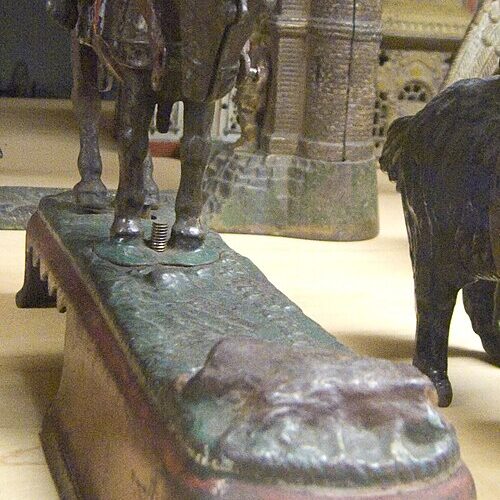
Cast iron banks are one of the most approachable “serious” antique categories you can collect because they sit at the intersection of folk art, early advertising, and mechanical ingenuity. You’re not just buying a coin bank, you’re buying a piece of industrial-era design history. When you’re evaluating one, first identify what type you’re dealing with. […]

Read more
Close Menu