
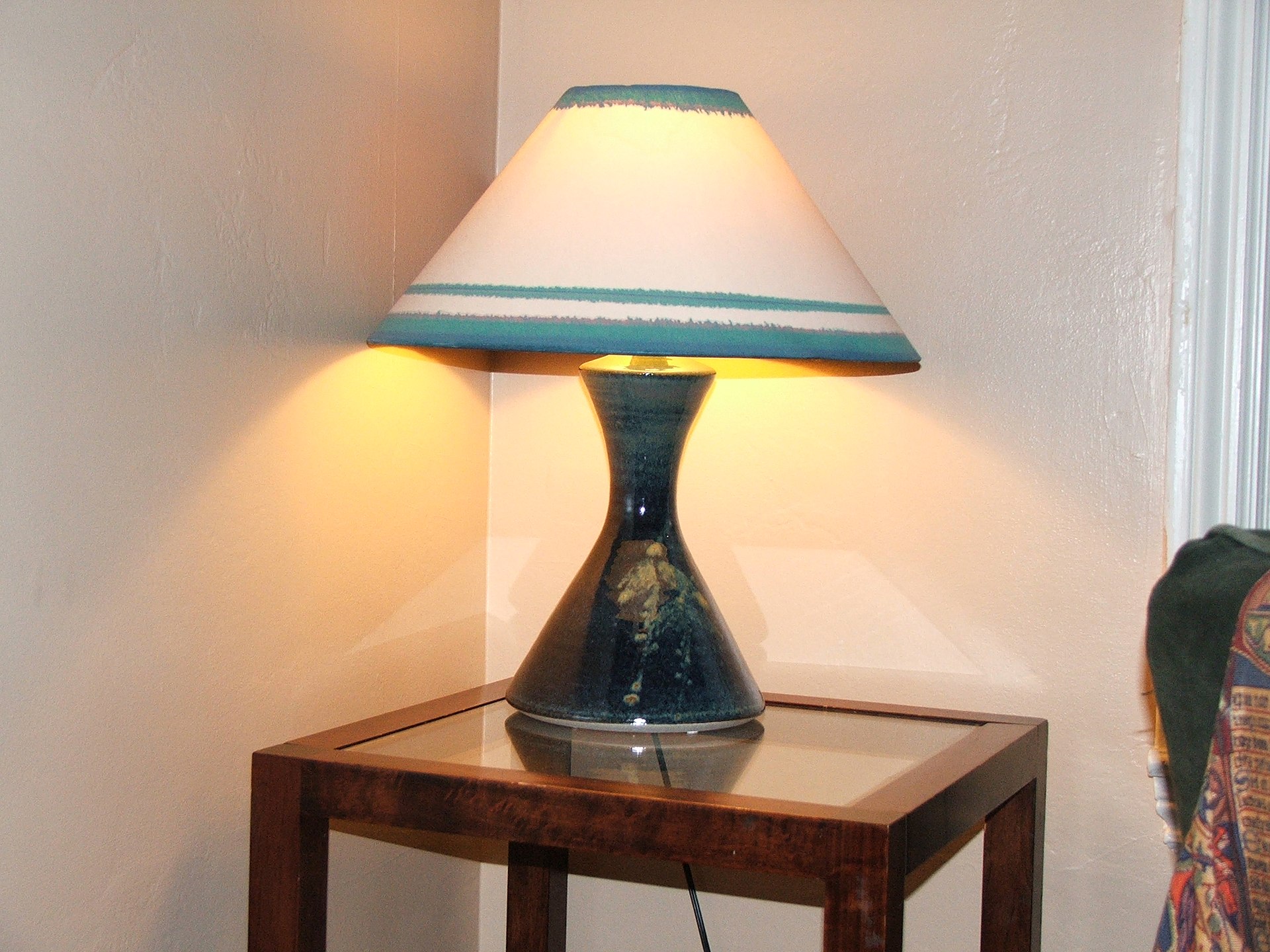
 Mid-century lamp fixtures are one of the best “useful collectibles” you can own because the right piece works as functional lighting and a design asset. But if you want collector-grade value (not just cool décor), you need to evaluate them like artifacts, not accessories.
Start With The Era And The Category
“Mid-century” typically means 1945–1970. The most collectible fixtures aren’t just old, they represent distinct design movements like Danish modern, Space Age/atomic, Italian modernism, and early postwar American commercial lighting.
Most serious collections focus on a few categories:
- Sculptural table lamps (ceramic, teak, walnut, brass)
- Sputnik/atomic ceiling fixtures
- Tension pole lamps
- Mushroom/dome lamps (especially European)
- Architectural wall sconces and pendant lights
Know The Makers That Carry Real Value
A lamp that “looks mid-century” might sell for $150 unbranded… or $3,000+ if it’s tied to a known manufacturer or designer.
Here are names collectors actively search for:
- Louis Poulsen (Denmark)
- Poul Henningsen (PH series, often through Louis Poulsen)
- Arne Jacobsen (AJ lamps)
- Gino Sarfatti / Arteluce (Italy)
- Stilnovo (Italy)
- Flos (Italy)
- Achille & Pier Giacomo Castiglioni (Italy, often Flos)
- George Nelson / Herman Miller (Bubble lamps)
- Laurel Lamp Company (USA, high-quality brass + wood forms)
- Lightolier (USA, lots of iconic ceiling/wall fixtures)
- Sonneman (USA, modernist forms, highly collectible)
Even if you’re buying unmarked pieces, knowing these names helps you spot design cues that match legit originals.
Materials Tell You If It’s Real Or “Vintage Style”
Authentic mid-century fixtures usually feel heavy and well-built. Repros often feel thin, light, or cheaply assembled.
You want to see materials like:
- Solid brass and thick steel (not stamped tin)
- Teak, walnut, or rosewood accents
- Opaline glass, hand-blown glass, or thick acrylic/lucite
- Enamel-coated shades with clean, durable finishes
- Ceramic bases with smooth glazing and sharp detail
If the metal is flimsy, the finish looks too new, or the plastic feels cheap, you may be looking at a modern copy.
Condition: What Collectors Actually Care About
In this category, “perfect condition” isn’t always the goal. Originality is the goal. A lamp with honest wear but original components is often worth more than a restored lamp that lost its correct parts.
Check these value drivers:
- Shade/diffuser originality (often replaced, and replacements kill value)
- Brass pitting, corrosion, or deep scratches
- Hairline cracks in ceramic or glazing
- Bent arms or warped shades on sputnik fixtures
- Missing finials, canopy parts, chains, or brackets
Wiring: Updated Is Fine, Sloppy Is Not
Most mid-century lamps have been rewired at some point. That’s not automatically bad. In fact, clean modern wiring can make the lamp easier to sell.
What hurts value is bad rewiring:
- Cheap cords that look out of era
- Incorrect sockets or switches
- Drill holes or alterations to the body
- Missing maker labels due to “restoration”
How You Actually Verify Attribution
A lot of authentic mid-century fixtures aren’t stamped or labeled clearly, so you need to check like a collector.
Look in these places:
- Under the base
- Inside the socket housing
- On the canopy plate
- Along the inner rim of shades
- On mounting brackets (especially on wall sconces)
You’re hunting for paper labels, stamped numbers, UL tags, or distinctive hardware that matches known manufacturers.
If you want the short rule: buy the most original example you can afford. Mid-century fixtures are a detail-driven category, and the collectors who win are the ones who spot authenticity before everyone else does.
Four Sales is the leading estate sale company in Virginia, DC and Maryland. For the past 40+ years, Four Sales has conducted over 3,000 estate sales in Virginia, DC and Maryland. Four Sales estate sales headquarters is in Alexandria, Virginia with regional offices in Charlottesville, Virginia and Annapolis, Maryland.